
🌿 Откуда берутся болезни и что такое здоровье?
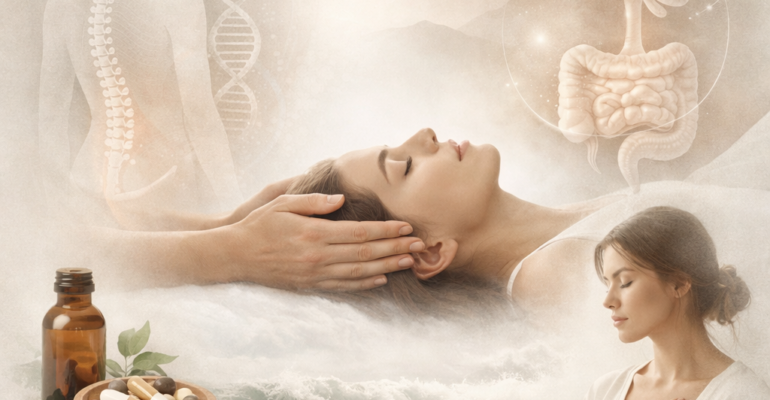
🌿 Откуда берутся болезни и что такое здоровье?
 valentinamicaj64@gmail.com
 Я часто слышу один и тот же вопрос от своих пациентов: “Почему это происходит со мной?” И каждый раз я чувствую, что этот вопрос касается не только физической боли. Он о попытке глубже понять себя. О поиске поддержки. О желании вернуть себе чувство контроля.
За годы моей практики я все больше убеждался в одном: болезнь — это не ошибка и не случайность. Это язык тела. И когда мы учимся его слушать, многое начинает обретать смысл.
Сегодня я хочу поделиться своим пониманием здоровья — не как отсутствия симптомов, а как живого, многогранного процесса.
Что же такое здоровье на самом деле?
Здоровье — это не идеальные результаты анализов или отсутствие боли. Это способность организма адаптироваться, восстанавливаться и чувствовать себя в безопасности.
Оно всегда существует во взаимодействии следующих факторов:
- тело
- разум
- окружающая среда
- жизненный опыт
Когда один из этих уровней выходит из равновесия, организм начинает «говорить».
1. Физический аспект — с чего всё начинается.
Тело — это не просто набор мышц и костей. Это система, постоянно адаптирующаяся к гравитации, движению и нагрузке. В своей работе я часто вижу, как даже небольшая асимметрия может:
- изменить положение внутренних органов
- влияют на дыхание
- влияние на эмоциональное состояние
Микротравмы, старые напряжения, привычные двигательные паттерны — всё это накапливается и формирует тело. Поэтому недостаточно просто укреплять или растягивать мышцы. Действительно важно восстановить баланс, чтобы тело снова могло свободно двигаться и дышать.
2. Краниосакральный аспект — ритм, который мы редко замечаем.
В теле существует невидимый, но ощутимый уровень. Это движение спинномозговой жидкости, тонкие ритмы — то, что в краниосакральной терапии мы называем “дыханием жизни”.”
Когда этот ритм свободен: нервная система расслабляется, возникает чувство безопасности, начинаются процессы саморегуляции.
Но когда человек живет в условиях хронического стресса, этот ритм нарушается. И организм постепенно теряет способность к глубокому восстановлению.
3. Психоэмоциональный аспект — тело помнит всё.
Все эмоции, которые не были полностью переработаны, остаются в теле.
Я часто наблюдаю, как:
- Тревога оседает в диафрагме
- Страх связан с почками.
- Подавленные чувства накапливаются в груди.
Со временем это перерастает в хроническое напряжение.
А затем кто-то говорит:
“Всё вроде бы хорошо, но я постоянно чувствую усталость”.”
В действительности, тело просто накапливает слишком много необработанного опыта.
4. Биодинамический аспект — более глубокий уровень исцеления.
Человек – это нечто большее, чем просто физическое строение.
Существует более глубокий уровень — ритмы, поле, внутреннее пространство.
В биодинамической практике мы обращаемся к так называемому “долгосрочному приливу”, проявлению жизненной силы.
Иногда для исцеления не требуется прилагать дополнительных усилий.
Это требует замедления темпа и предоставления организму возможности вспомнить свой естественный ритм.
В данном случае присутствие становится главным терапевтическим инструментом.
Без давления. Без попыток что-либо исправить.
5. Биохимия и генетика — часто недооцениваемые области.
Иногда корень проблемы очень конкретен:
- дефицит питательных веществ
- дисбаланс пищеварения
- метаболическая дисфункция
Важно понимать, что многие психоэмоциональные симптомы имеют биохимическую основу.
Ещё один уровень — эпигенетика.
Наш образ жизни, уровень стресса и окружающая среда могут буквально включать или выключать гены.
Да, тело способно передавать модели поведения и опыт из поколения в поколение.
6. Интеграция — где всё взаимосвязано.
Когда я работаю с человеком, я никогда не рассматриваю только один симптом. Потому что:
- Физическая боль может быть связана с эмоциями.
- Эмоции могут быть связаны с биохимией.
- На биохимические процессы влияет образ жизни.
- И всё это связано с чувством безопасности.
Здоровье — это не неизменное состояние. Это динамическое равновесие. Единого универсального решения не существует. Но всегда есть возможность начать прислушиваться к своему телу.
Небольшая практика: почувствуйте свою внутреннюю волну.
Попробуйте прямо сейчас: сядьте удобно. Закройте глаза. Сосредоточьте внимание на своем теле.
Обратите внимание на свое дыхание — не пытаясь его изменить. Попробуйте почувствовать едва уловимое движение внутри, подобное мягкой внутренней волне. Вам ничего не нужно делать.
Просто наблюдайте. Иногда именно здесь начинается исцеление.
